Telemedicine Explained

Telemedicine enables remote clinical care via telecommunications and digital tools, expanding access and supporting continuity. It relies on real-time data capture, secure communication, and interoperable platforms to deliver evidence-based services across workflows from intake to follow-up. While it offers speed and convenience, it also faces privacy, regulatory, and equity challenges that influence its long-term viability. The balance of benefits and barriers invites careful consideration of implementation decisions and future improvements.
What Telemedicine Is and Why It Matters
Telemedicine refers to the delivery of clinical services remotely through telecommunications and digital tools, enabling patients to consult with healthcare providers without in-person visits. It expands access, reduces barriers, and enhances care continuity.
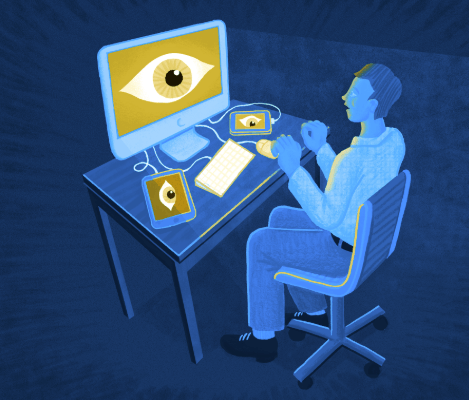
Benefits include faster consultations and broader reach, while challenges surface in telemedicine ethics and privacy concerns, requiring robust governance, patient consent, data security, and transparent risk communication for informed, autonomous choice.
How Telemedicine Works: Tech, Platforms, and Workflows
In telemedicine, the core workflow integrates patient data collection, secure communication, and remote diagnostics to connect patients with clinicians across distances. The tech stack supports data capture, encryption, video, and interoperability, enabling real-time decision making.
Platforms orchestrate scheduling, triage, and documentation, while workflows standardize steps from intake to follow-up, clarifying the patient journey and ensuring consistent, evidence-based care.
Telemedicine in Practice: Use Cases for Patients and Providers
Across diverse clinical settings, telemedicine enables patients to access timely care while clinicians extend reach and optimize resource use. In practice, remote triage and virtual triage streamline initial assessment, triaging urgency, and guiding appropriate modality choice.
For patients, convenience and faster decision-making emerge; for providers, workflow efficiency and standardized protocols enhance care continuity. Evidence supports safe, scalable remote assessments across chronic and acute conditions.
Benefits, Barriers, and the Future of Care in Telemedicine
The benefits, barriers, and the future of telemedicine encompass improved access to care, potential cost savings, and enhanced patient outcomes, yet face challenges such as regulatory variability, reimbursement gaps, and digital disparities.
This analysis presents evidence on how telemedicine can expand future care through scalable models, while addressing barriers like privacy, equity, and technology access for sustainable, patient-centered outcomes.
benefits, barriers, future care, telemedicine.
See also: tropicalcyclonenews
Frequently Asked Questions
How Does Telemedicine Affect Patient Privacy and Data Encryption?
Telemedicine affects patient privacy by exposing data to digital channels and third-party access; adherence varies. Privacy pitfalls exist without robust controls. Encryption standards are essential, requiring end-to-end or strong server-side protections to minimize risk and enhance patient trust.
Can Telemedicine Replace In-Person Visits Altogether?
Telemedicine cannot fully replace in-person visits; symbolism suggests a bridge, not a wall. Telemedicine adoption grows with remote diagnostics supporting care continuity, but certain examinations and tactile assessments still require direct contact for optimal outcomes.
What Licenses Are Required for Cross-State Telemedicine?
Cross-state telemedicine requires licensing requirements aligned with jurisdictional practice rules; Interstate practice regulations govern credentialing, reciprocity, and telemedicine parity. Licensure portability varies; some states offer e-prescribing or temporary licenses, while others require full licensure or multi-state compacts for access.
How Is Informed Consent Handled Remotely?
Informed consent remote is established through documented, voluntary agreement obtained via secure telemedicine platforms; telemedicine documentation records timestamped approvals and disclosures. The allegory centers on a lighthouse: guidance, safety, and autonomy guiding patient choices in remote care.
Are There Costs Beyond Insurance Copays or Subscriptions?
Costs beyond insurance copays or subscriptions may include excess service charges, platform fees, or ancillary privacy considerations; patients should evaluate total out-of-pocket impact, consult providers about itemized billing, and weigh perceived value against potential privacy and access risks.
Conclusion
In the village of Carebridge, a steady courier named Telemed arrives, never sleeping, delivering needles of insight and screens of connection. Distances shrink as doors swing open with secure keys, and doctors harvest data from distant fields. Yet storms—privacy, policy, and access gaps—hammer the road. The bridge holds, if builders heed ethics and reimbursement. When coordination, trust, and equity hold fast, the courier returns lighter, carrying healthier futures for all who seek help beyond the horizon.